
By
Lakshmi Priya
•
OPTEAMIZE CLOUD SOLUTIONS PVT LTD had their WordPress farm hosted in a shared hosting space. The entire setup worked perfectly fine for most use cases. However, our client—an expert in Digital Marketing with a proven track record—began noticing a steep spike in traffic to their WordPress sites, far higher than expected even after accounting for results from their digital optimization workflow.
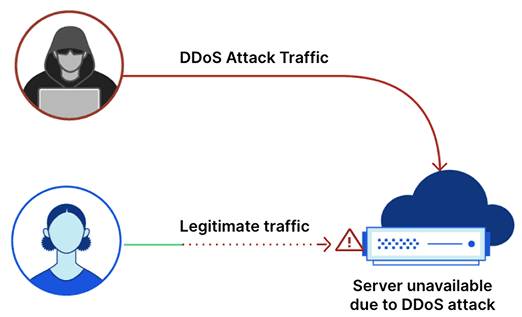
Competing brands were identified as the source of this surge. They constantly polled our client’s website, both manually and through change-tracking bots that captured every modification made to the site. As a result, the traffic included both genuine visitors from the digital marketing efforts and random additional traffic generated by bots.
Over time, the density of bot traffic exceeded normal levels, consuming bandwidth meant for real users. On deeper investigation, this activity was classified as a Distributed Denial-of-Service (DDoS) attack. The malicious traffic was designed to overload the server, drain resources, and make the website inaccessible to genuine visitors.
Although the hosting provider had basic safeguards—like blocking some violating IPs—these measures proved insufficient to handle the intensity and persistence of the attack.
The Challenges with the Existing Setup
Shared hosting environments often lack advanced protection against targeted high-frequency bot traffic.
Constant polling and change-tracking bots can distort analytics, making it harder to measure true marketing success.
Uncontrolled bot traffic increases server load, slows down page response times, and affects SEO rankings.
Prolonged DDoS attacks can damage brand reputation by creating poor customer experiences.
Manual IP blocking at the hosting level is reactive and fails to stop distributed bot networks.
Growing businesses need scalable, dedicated hosting solutions to handle both organic and malicious traffic spikes.


